
Rotator Cuff Tendinopathy
Shoulder pain from repetitive bowling and throwing loads — common in fast bowlers and outfielders managing high workloads through a season.
Book a Free Call Book an Appointment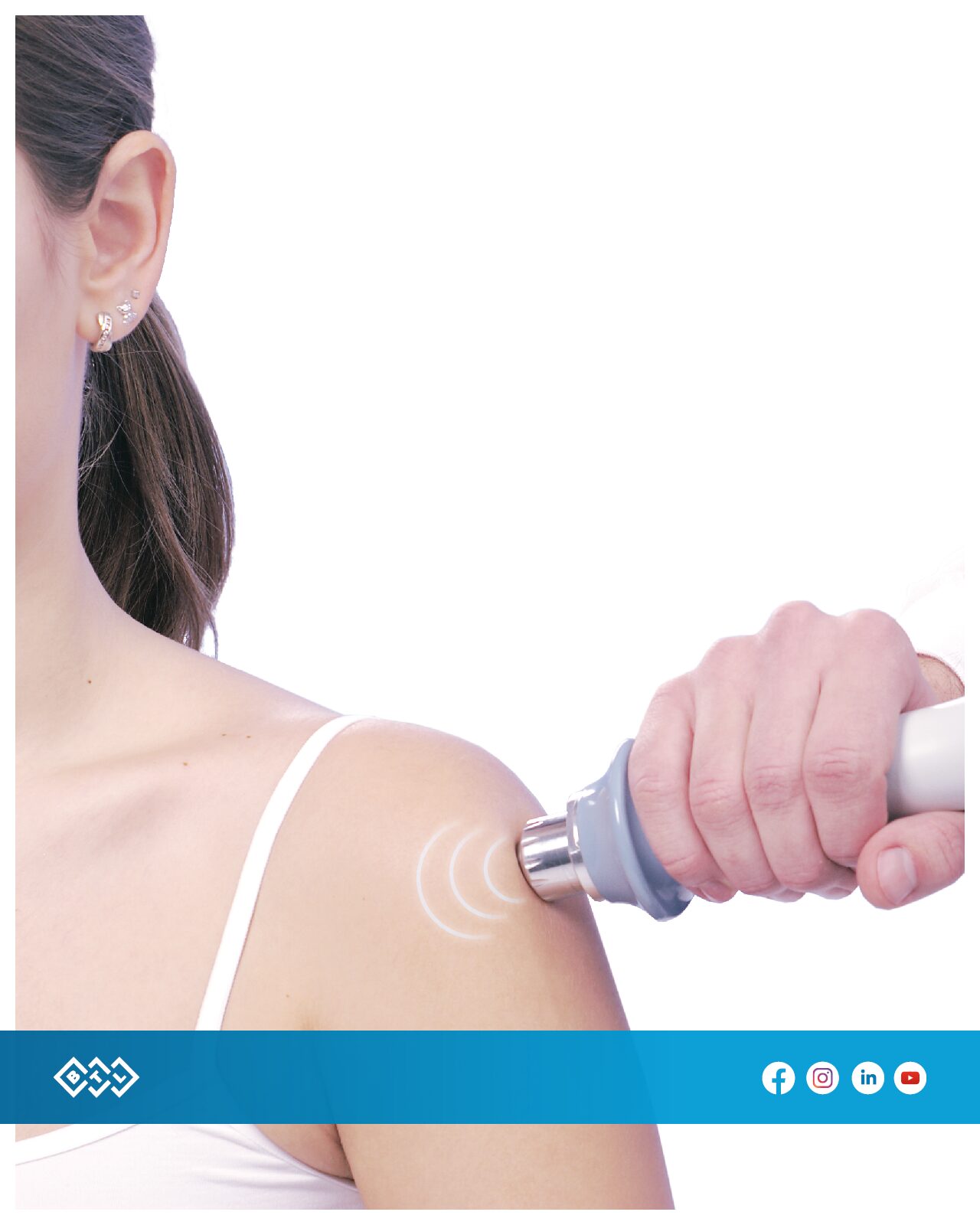
Rotator Cuff Tendinopathy in Cricketers
The rotator cuff — supraspinatus, infraspinatus, teres minor, and subscapularis — works as a dynamic stabiliser of the shoulder joint during the high-velocity arm actions of bowling and throwing. Repetitive overhead loading across a long cricket season places significant cumulative demand on these tendons.
Rotator cuff tendinopathy in cricketers typically presents as pain with bowling, throwing, and overhead fielding — often building gradually over a season rather than occurring as a single acute event. It is most common in fast bowlers and outfielders who perform high volumes of throwing.
The condition involves degenerative change within the tendon tissue — not primarily inflammation. This is why it often doesn't respond well to rest alone, and why a structured loading and rehabilitation program alongside any treatment modality is essential for durable recovery.
Where calcification is present within the rotator cuff tendon, shockwave therapy is particularly effective and is available at our Five Dock clinic via our Sydney Shockwave service.
Symptoms
Cricket-Specific Shoulder Management
The shoulder demands of cricket are specific — and generic rotator cuff rehabilitation doesn't always address what's needed to bowl and throw at full intensity.
How We Manage Rotator Cuff Tendinopathy
Assessment
Comprehensive shoulder assessment — rotator cuff strength, painful arc, impingement tests, scapular control, and throwing/bowling action review. Imaging referral where indicated to identify calcification or partial thickness tears that change management.
Load Management
Temporary reduction in bowling and throwing volumes while the tendon settles. We work with the player and coach to manage this practically — maintaining cricket involvement where possible while protecting the shoulder from further overload.
Rotator Cuff Rehabilitation
Progressive rotator cuff and periscapular strengthening program. Addressed to the specific weakness patterns identified on assessment. Progressed from low-load through to high-load and velocity-specific exercises that mirror bowling and throwing demands.
Return to Full Cricket
Staged return to bowling and throwing with progressive volume and intensity increases. Objective strength criteria before return to full pace bowling and maximum-effort throwing. Ongoing workload monitoring to prevent recurrence.
FAQ — Rotator Cuff Tendinopathy
It depends on severity. Mild tendinopathy with appropriate load management can often be maintained through a playing season with rehabilitation running concurrently. More significant presentations — particularly those with night pain or strength loss — typically require a period of reduced bowling. We'll give you specific guidance at your assessment.
Yes — shockwave therapy for rotator cuff tendinopathy, including calcific presentations, is available at our Five Dock clinic via our Sydney Shockwave service. For calcific shoulder tendinopathy specifically, shockwave is one of the most evidence-supported non-surgical treatments available.
No referral needed. Book a free call or an initial appointment directly online.
Shoulder Pain Affecting Your Game?
Book a free call with one of our cricket physios. We'll assess your shoulder and give you a clear management plan.
Book a Free CallAlready decided? Book an appointment directly →
No referral needed · Five Dock, Inner West Sydney · Health fund rebates available